Flight Ready
Support mission endurance, stable discharge behavior, and repeatable aerial performance
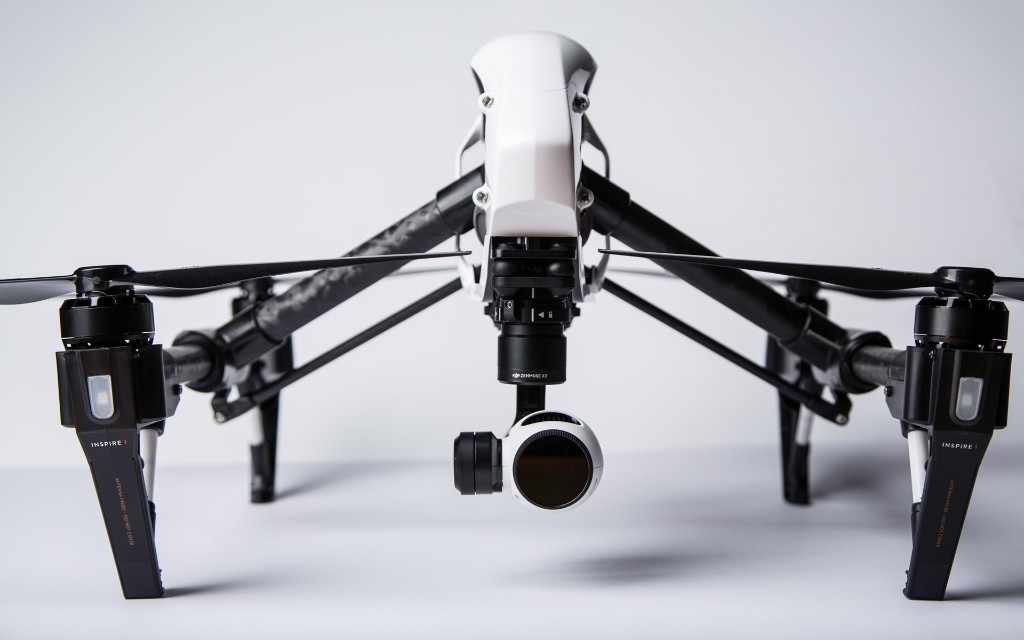
We help teams develop battery-integrated systems for drones and aerial platforms that need lightweight construction, dependable discharge behavior, stable voltage delivery, thermal control, and carefully managed performance across demanding flight missions.
That includes UAVs, inspection drones, industrial aerial systems, surveillance platforms, specialty unmanned aircraft, and next-generation aerial robotics where battery architecture, runtime, weight, charging strategy, controls, and environmental conditions all need to work together. Our approach helps shape solutions that are efficient, durable, and ready for real operational deployment.
Support mission endurance, stable discharge behavior, and repeatable aerial performance
Shape battery and system packaging around strict mass and balance constraints
Deliver dependable current response for lift, maneuvering, payloads, and onboard systems
Useful for surveillance, inspection, mapping, logistics, and specialty aerial operations
Our approach helps teams connect battery systems, airframe demands, charging needs, controls, weight constraints, and mission reliability into a more complete solution for aerial platforms.
Support battery system design for UAVs, inspection drones, aerial robotics, and specialty aircraft where packaging efficiency, runtime, and flight stability matter.
Learn MoreShape battery architecture around launch demands, hover loads, maneuvering power, payload requirements, recharge windows, and the real operating cycles of aerial systems.
Learn MoreIntegrate charging behavior and runtime expectations so aerial platforms remain available for scheduled missions, repeated flights, and field-based operating requirements.
Learn MoreEngineer around weight, balance, cooling needs, vibration, and environmental exposure so battery systems are better matched to the physical realities of flight platforms.
Learn MoreCoordinate BMS behavior, thermal monitoring, power electronics, onboard sensing, and protection systems so aerial platforms perform predictably through demanding mission use.
Learn MoreHelp teams move from concept and prototype integration into flight validation, pilot programs, and production-aware aerial deployment with stronger technical readiness.
Learn MorePrime Energy does not certify packs, modules, or systems. We can help you prepare documentation, test readiness, and design decisions for a third-party certification program. Listing a standard here does not mean we perform that lab test or hold that listing.