Repeatable Welds
Support stable weld quality across automated and semi-automated assembly workflows
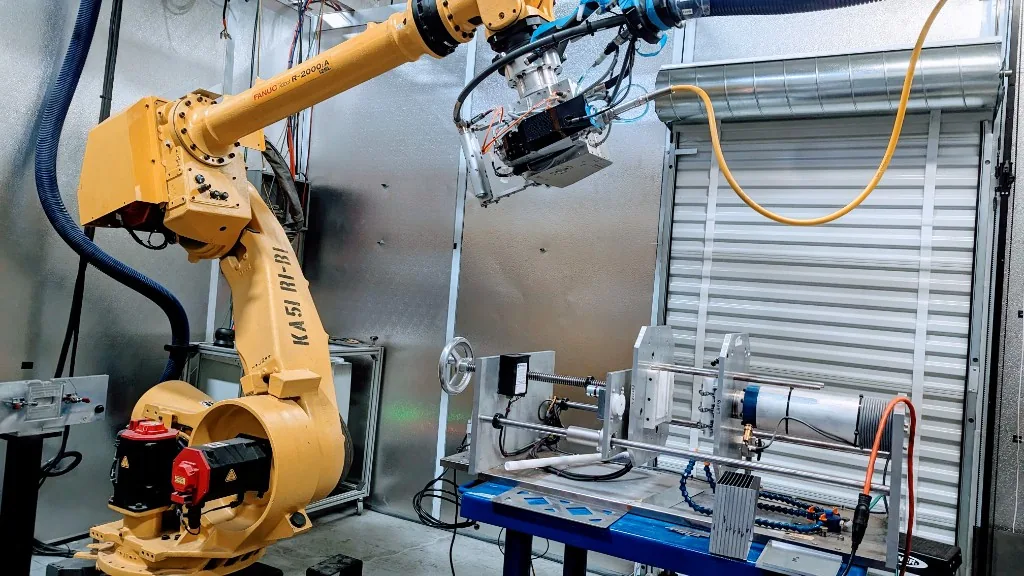
Prime Energy's laser-welding services apply to approved external terminals, tabs, busbars, interconnects and pack-level components. Prime Energy does not open sealed cells or modify their internal chemistry.
We help engineering teams and assembly programs develop laser welding processes that go beyond the weld itself. That includes automated movement, part positioning, fixture coordination, weld path logic, parameter control, and custom programming that supports repeatable battery assembly.
From tab welding and busbar joining to module interconnects and pilot assembly workflows, our approach focuses on precision, consistency, throughput, and assembly-aware integration between welding hardware, tooling, and programmable automation systems.
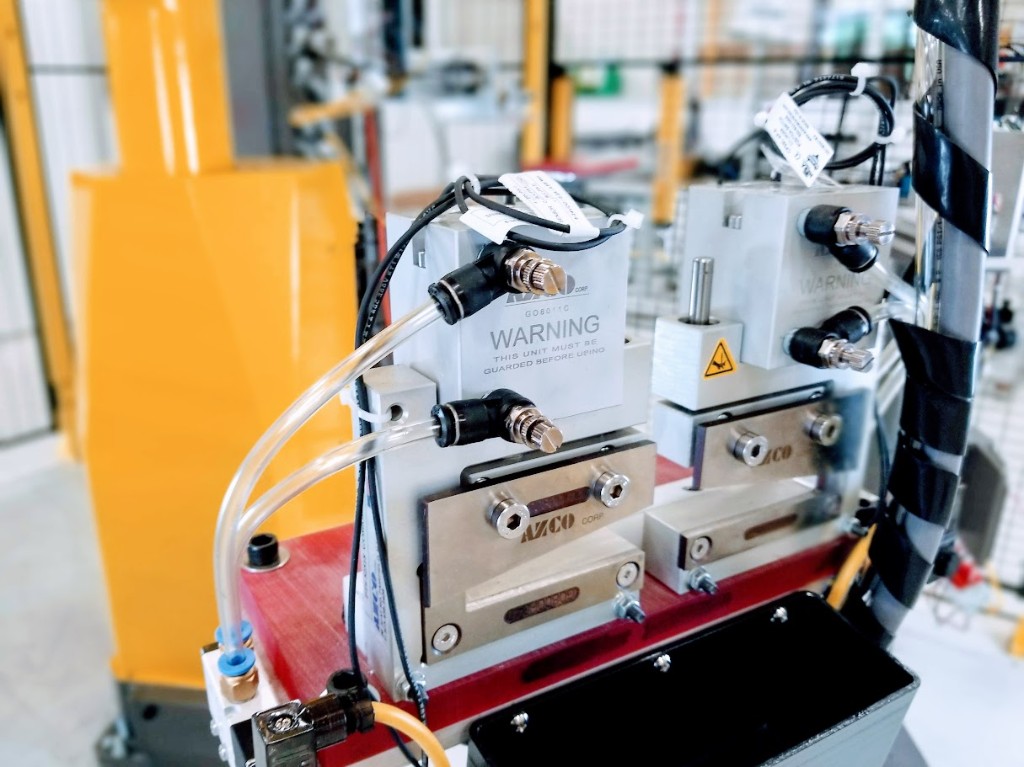
Support stable weld quality across automated and semi-automated assembly workflows
Custom weld sequences and movement logic aligned to part geometry and process needs
Integrate laser systems with fixtures, motion control, and scalable assembly flow
Built for prototype refinement, pilot lines, and future assembly-program scaling
Our approach helps teams create cleaner, more repeatable welding processes by connecting weld development with automation strategy, custom programming, part handling, and process validation—within the external interconnect and pack-component scope described above.
Support weld strategy for approved external terminals, tabs, busbars, thin metals, interconnects, and battery pack subassemblies with attention to consistency, fit-up, and part sensitivity.
Learn MoreCoordinate laser welding with motion systems, part positioning, fixture alignment, indexing workflows, and automated process timing for repeatable assembly execution.
Learn MoreDevelop programmable weld paths, sequence logic, parameter control, and process routines tailored to the geometry, material, and assembly goals of the application.
Learn MoreAlign laser welding workflows with custom fixtures, retention methods, alignment tools, and part presentation strategies that improve accuracy and reduce variation.
Learn MoreHelp transition early weld concepts into repeatable pilot assembly workflows with stronger process definition, validation planning, and readiness for assembly-program scaling.
Learn MoreImprove throughput, consistency, and process confidence through parameter refinement, automated sequence tuning, and better alignment between design and assembly execution.
Learn MoreThe programs below are common lithium battery certification and test pathways. Prime Energy can help customers prepare documentation, test readiness, and pack design decisions aligned to these standards. Listing these standards does not mean Prime Energy or every completed battery assembly currently holds these certifications.