Mission Ready
Support runtime planning, autonomous duty cycles, and repeated operational missions
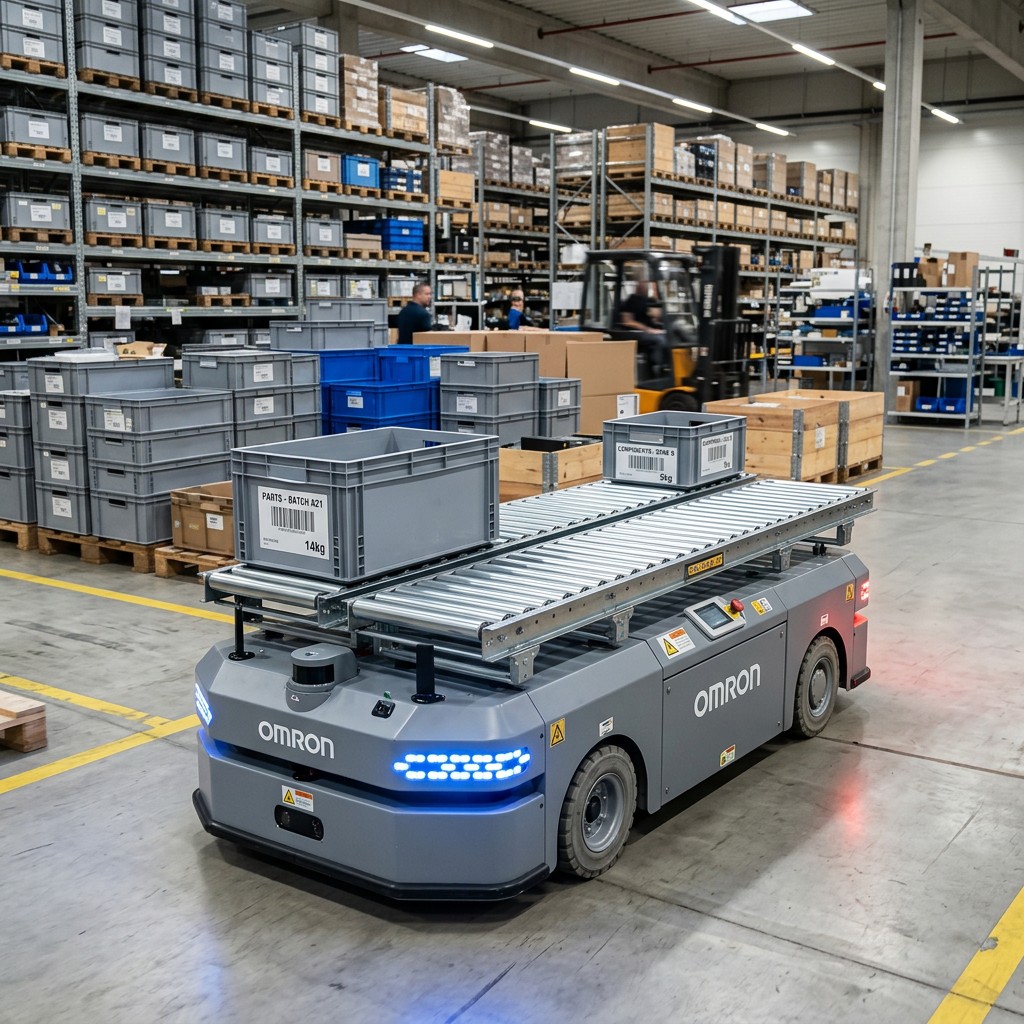
We help teams develop battery-integrated systems for autonomous and robotic platforms that require reliable energy delivery, stable voltage behavior, controlled thermal performance, and predictable coordination between batteries, motors, controls, sensors, and onboard electronics.
That includes mobile robots, autonomous vehicles, industrial robotic platforms, inspection units, remote systems, support robots, and other intelligent machines where runtime, charging strategy, motion behavior, mission cycles, and system coordination all need to work together. Our approach helps shape solutions that are durable, efficient, and ready for real operational deployment.
Support runtime planning, autonomous duty cycles, and repeated operational missions
Coordinate battery behavior with sensors, compute loads, motion systems, and automation logic
Shape battery and charging strategies around uptime, docking behavior, and mission recovery
Useful for robotic fleets, autonomous tools, industrial systems, and unmanned vehicles
Our approach helps teams connect battery systems, mission demands, charging needs, sensing, controls, and runtime reliability into a more complete solution for autonomous and robotic platforms.
Support battery system design for mobile robots, industrial automation platforms, remote equipment, and unmanned systems where compact packaging and dependable runtime matter.
Learn MoreShape battery architecture around movement profiles, compute loads, standby behavior, peak demands, charging windows, and the real operational patterns of autonomous systems.
Learn MoreIntegrate charging behavior, dock interaction, energy recovery expectations, and runtime management so robotic systems remain available for critical tasks.
Learn MoreEngineer the relationship between batteries, motor controls, onboard compute, thermal systems, sensors, and control logic so the platform behaves predictably in the field.
Learn MoreCoordinate BMS behavior, cooling, protection logic, enclosure needs, and electrical stability so autonomous systems perform safely through repeated duty cycles and varied environments.
Learn MoreHelp teams move from concept and prototype integration into pilot robotic fleets, autonomous validation programs, and production-aware deployment with stronger technical readiness.
Learn MoreThe programs below are common lithium battery certification and test pathways. Prime Energy can help customers prepare documentation, test readiness, and pack design decisions aligned to these standards. Listing these standards does not mean Prime Energy or every completed battery assembly currently holds these certifications.