Peak Shaving Ready
Reduce high-demand utility charges by supporting short-duration heavy load events
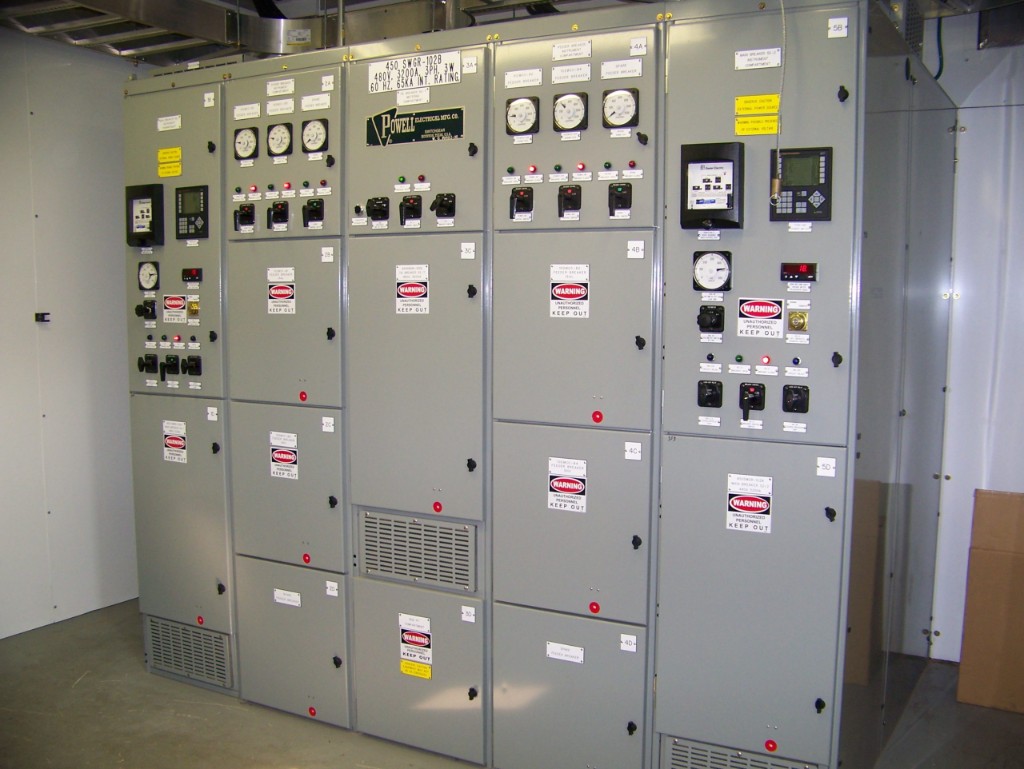
We help manufacturers develop battery-integrated energy strategies that reduce peak demand charges, shift energy use away from expensive rate periods, and improve how facilities purchase and use electricity from the grid. This is especially valuable for operations with large motors, heavy process equipment, repeated startup loads, and high daily energy swings.
That includes battery storage for peak shaving, load management, backup readiness, production support, and site-level control where utility pricing, process uptime, and infrastructure demands all need to work together. Our approach helps shape solutions that are practical, scalable, and aligned with real manufacturing economics.
Reduce high-demand utility charges by supporting short-duration heavy load events
Move energy use away from high-cost time periods and improve purchasing efficiency
Support manufacturing uptime while shaping energy behavior around real plant operations
Useful for lowering demand charges, reducing grid expense, and improving energy planning
Our approach helps teams connect battery storage, plant load behavior, utility pricing, power distribution, and controls into a more complete solution for industrial cost reduction and operational resilience.
Support battery system design and deployment planning for facilities that need to reduce demand spikes caused by heavy equipment starts, process loads, and concentrated operating windows.
Learn MoreShape storage strategy around utility rate structures, time-of-use pricing, plant operating schedules, and controlled discharge behavior that lowers the cost of grid energy use.
Learn MoreIntegrate battery systems into industrial facilities where production uptime, utility coordination, power stability, and cost control all need to support business operations.
Learn MoreCoordinate storage behavior, site controls, demand thresholds, power electronics, and monitoring systems so battery assets respond predictably to changing plant loads and pricing signals.
Learn MoreUse battery storage not only for cost savings, but also to support critical loads, reduce process interruptions, and improve site energy flexibility during unstable grid conditions.
Learn MoreHelp teams move from early feasibility and pilot storage concepts into site-ready industrial deployment with stronger technical planning, utility awareness, and long-term operational fit.
Learn MoreThe programs below are common lithium battery certification and test pathways. Prime Energy can help customers prepare documentation, test readiness, and pack design decisions aligned to these standards. Listing these standards does not mean Prime Energy or every completed battery assembly currently holds these certifications.